

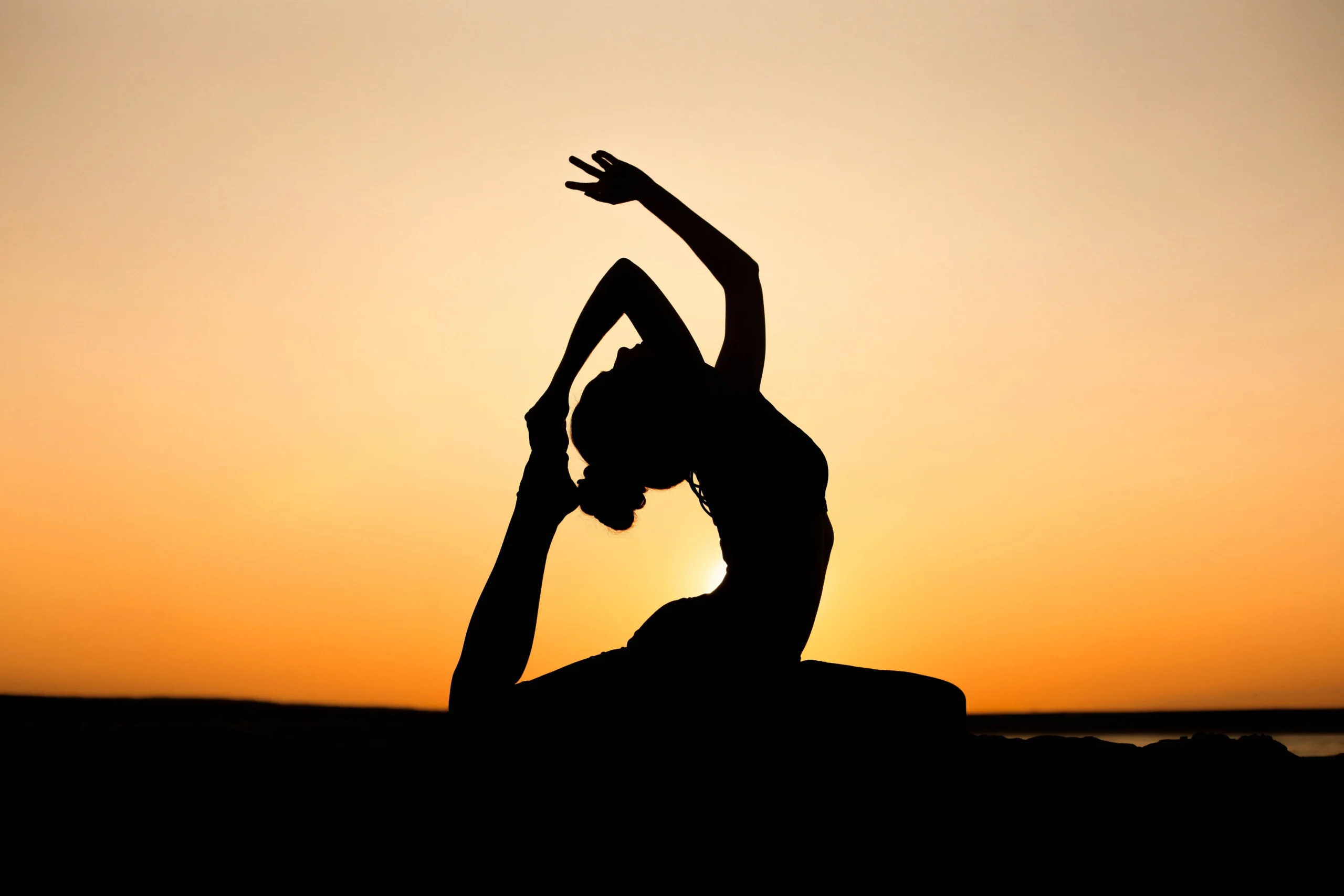
Here’s a familiar story. You train hard — weights, Muay Thai, jiu-jitsu, running, whatever your thing is. You’re strong. And you’re also tight, a little beaten up, carrying a niggle or two that never quite clears. You know you “should stretch more.” You don’t. And it catches up with you.
This is the gap yoga fills — not the incense-and-chanting cliché, but yoga as a practical recovery and mobility tool for people who train. It’s the least glamorous part of a training week and often the most valuable. Here’s why, and how it fits.
Why hard training needs yoga (even if you hate the word)
- Mobility keeps you training. Tight hips, shoulders and hamstrings are where injuries start. Yoga restores range of motion before something tears or seizes.
- Recovery is where you actually adapt. You don’t get fitter during sessions — you get fitter recovering from them. Yoga accelerates that, not delays it.
- It rebalances what training overloads. Every sport builds patterns and tightness. Whether you’re working in the indoor weight room, training Muay Thai or spending rounds on the mat with MMA & BJJ, a little yoga counteracts them before they become chronic.
- It teaches you to breathe and switch off. The nervous-system reset from slow, controlled breathing is real — and it helps you sleep, which is where the real recovery happens.
The kinds that help athletes most
Restorative & Yin
Slow, held stretches that open tight areas and calm the nervous system — ideal on a recovery day between hard sessions, or the evening after a heavy one.
Mobility-focused flow
More active work that takes joints through their full range — the stuff that keeps you moving well under load and reduces the risk of the tweaks that sideline you.
Breath & wind-down
The quiet skill: controlled breathing that flips you out of “fight” mode and into recovery, so you sleep deeper and wake up ready to train again.
The honest pitch:
You don’t have to love yoga. You have to recover, stay mobile and avoid injury — and yoga is one of the most efficient ways to do all three. Treat it as training maintenance, not a spiritual detour, and it earns its place in any serious week.
How to fit it into a training week
- On recovery days — a restorative session between hard training days keeps you loose without adding fatigue. It can also sit naturally alongside slower recovery time at the spa.
- After heavy sessions — gentle stretching to bring the body back down and start recovery, particularly after demanding conditioning such as a HIIT class.
- As a morning primer — light mobility to move well before a big session.
- In the evening — breath-led wind-down to sleep better, which is where you actually adapt.
Scaled to your level, none of this requires flexibility or experience. If you can’t touch your toes, that’s not a reason to skip it — it’s the reason to start.